Photodynamic Therapy
Treatment for non-melanoma skin cancers and acne.
Photodynamic Therapy
Treatment for non-melanoma skin cancers and acne.
What is Photodynamic therapy (PDT)?
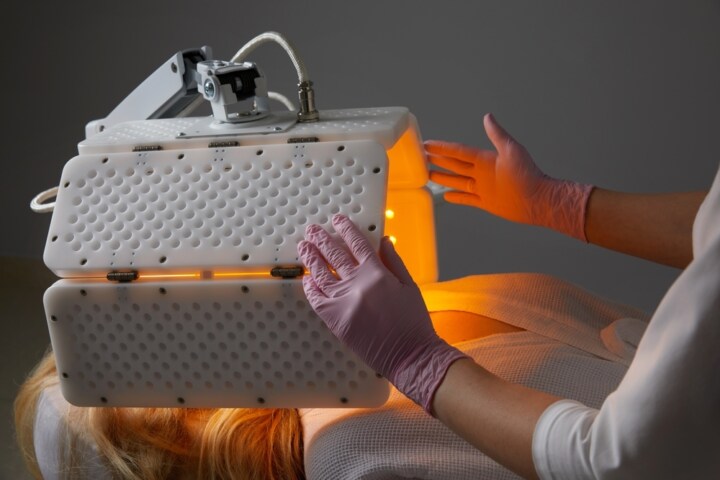
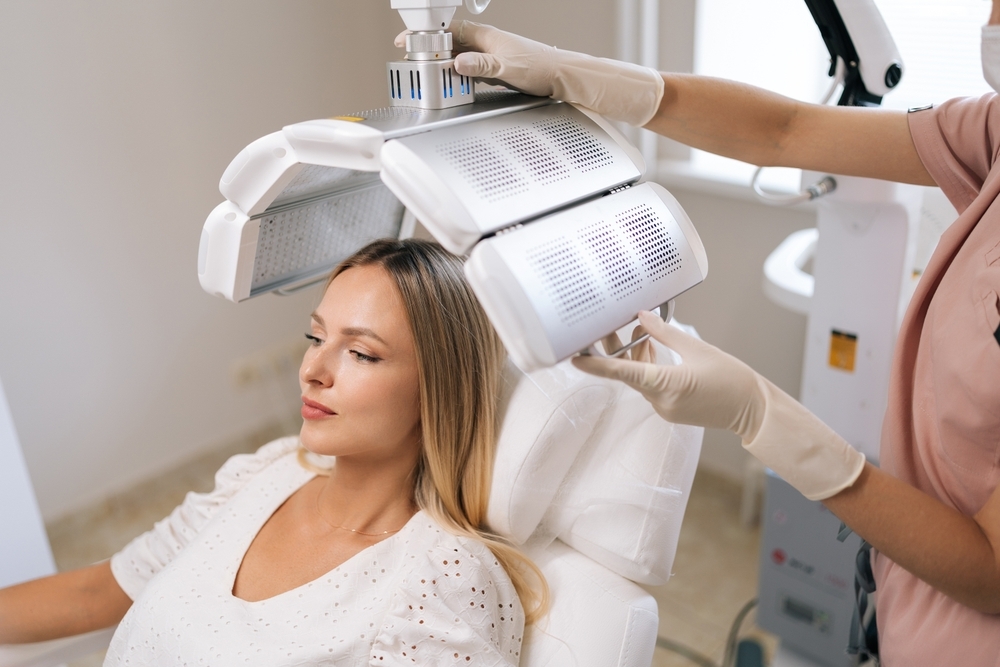
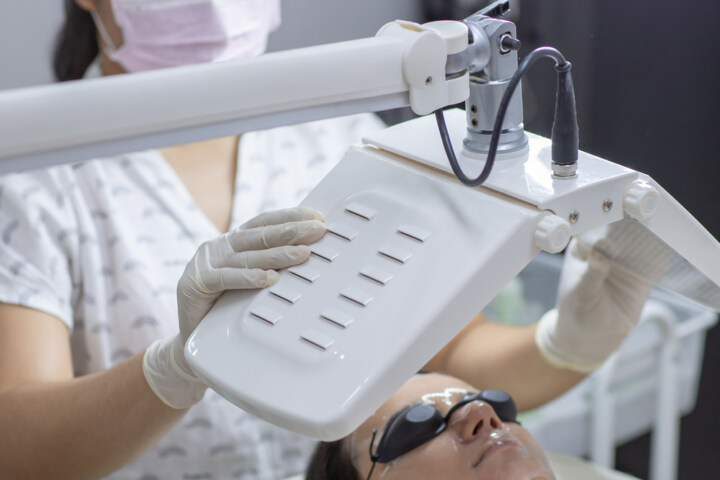
Photodynamic therapy is a treatment that uses light to activate photosensitising agents and destroy cancer cells or sun damaged skin.
It can also be used to treat acne. It is considered to be an effective and safe treatment. It also has some cosmetic benefits.
For sun damaged skin
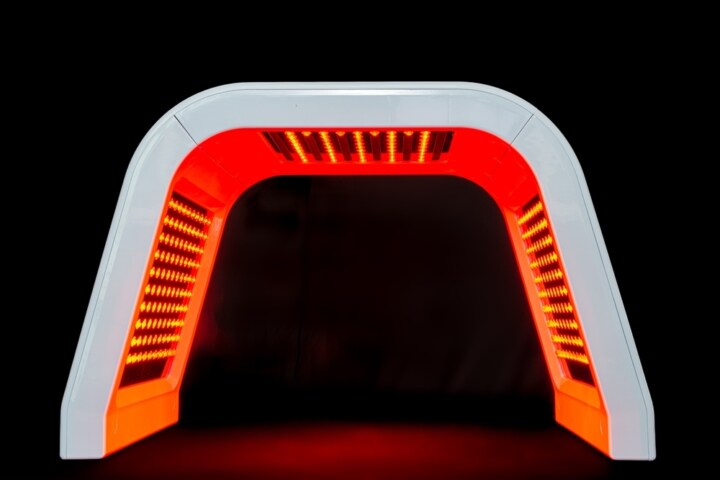
Photodynamic therapy (PDT) is a medical treatment that utilises a photosensitising (light sensitive) topical medication, typically 5-aminolevulinic acid (ALA) combined with a light source to destroy abnormal cells. A specific wavelength of light is used to activate the photosensitising medication, and when applied it begins to react and destroy cancerous and / or precancerous cells.
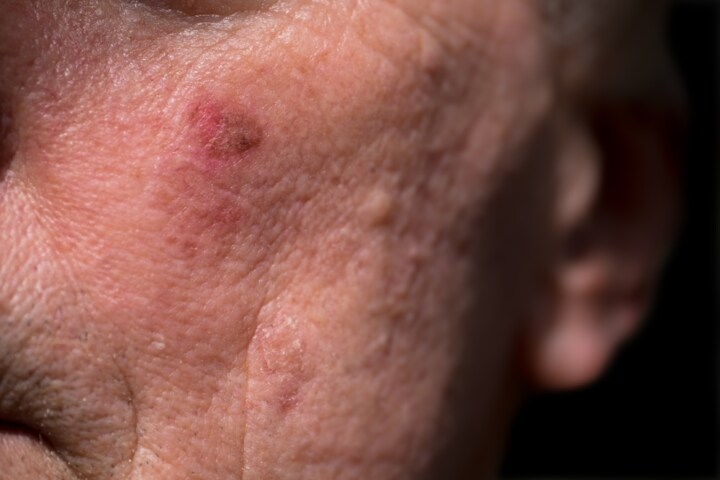
At Skintech we use PDT treatments for Actinic Keratosis (dry, scaly patches of skin caused by damage from years of sun exposure, that if not treated could become cancerous), superficial Squamous Cell Carcinoma (otherwise known as IEC or Bowen’s disease), small or thin Basal Cell Carcinoma (BCC).
Treatment Suitability and Planning
Your Skintech doctor will discuss this option with you if suitable for your treatment plan. Please note that PDT is not suitable for all skin cancer treatments. The number of sessions will also depend on what condition is treated, and this will be discussed with your doctor prior to treatment commencing.
For acne
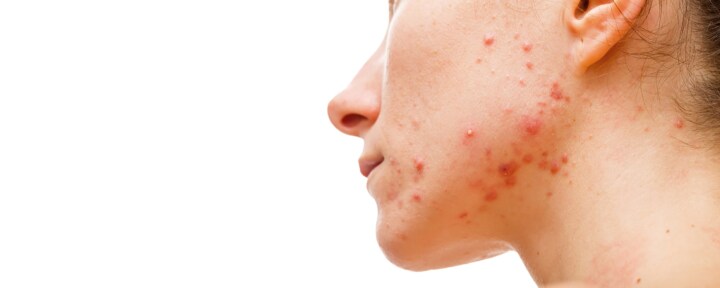
Photodynamic therapy (PDT) is also a safe and effective treatment for acne, particularly for those with moderate to severe acne that perhaps hasn’t responded well to traditional topical treatments. PDT is thought to work against acne by shrinking the skin’s oil glands. This can reduce the amount of oil within the pores, thereby reducing comedones. ALA-PDT may also help by killing the bacteria that cause acne breakouts, and normalise the shedding of dead skin cells within the follicle.
Post-Treatment Care & Recovery
Minimal sun exposure for 2 weeks post treatment is advisable. There will be a period of time where the treated area will be red, sensitive to heat/sun, and peeling may occur, similar to a sunburn.

Treatment Course and Frequency
A series of three to five treatments is usually performed at two to four week intervals. The number of treatments will depend on the individual, degree of acne and response from previous treatments.